Reimagining Support for the Women’s Sector: Reflections from Our Birmingham Learning Circle
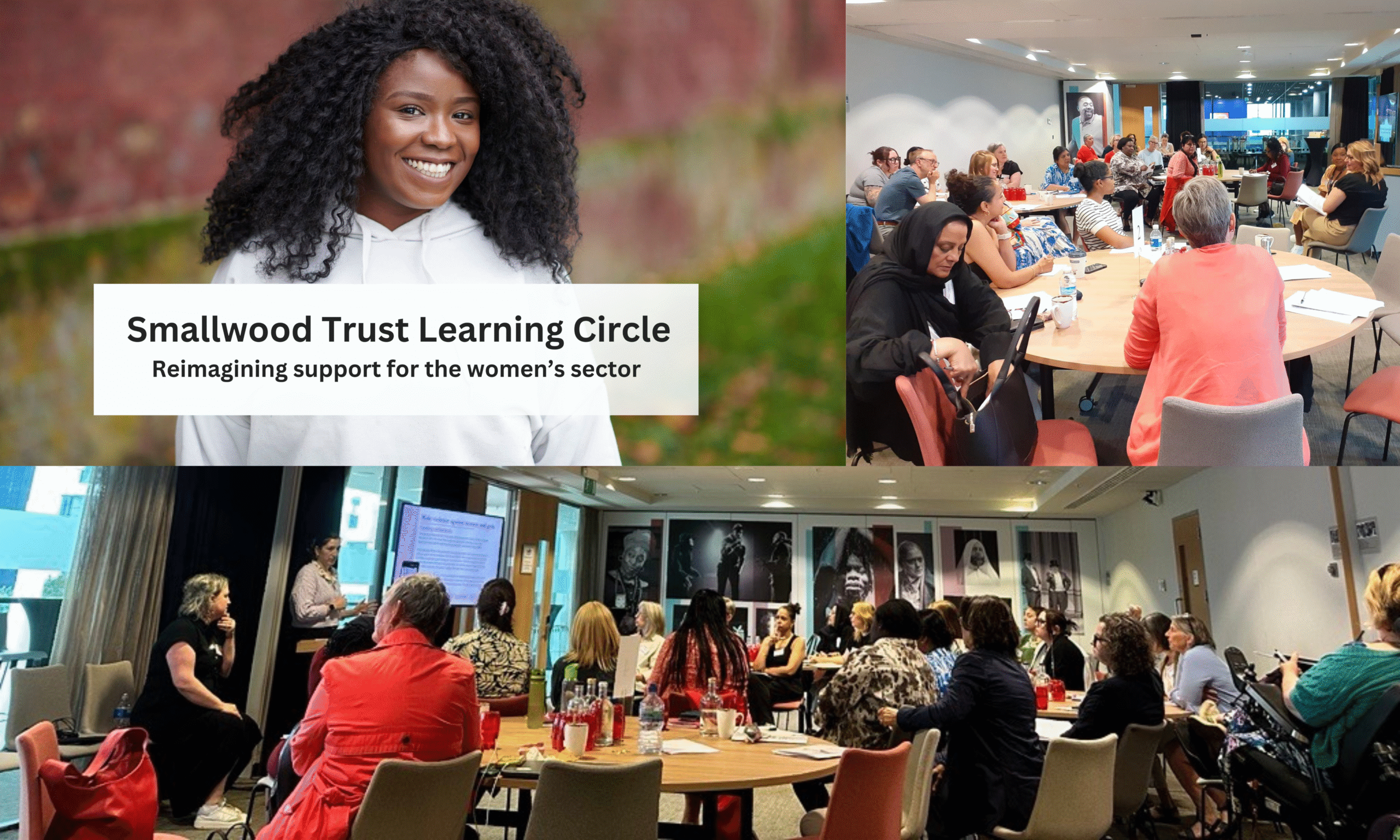
July 25, 2025On Tuesday 15th July, we convened our second Learning Circle in Birmingham. Learning Circles are a strategic initiative led by the Smallwood Trust to bring together funders, policy influencers, and women’s organisations. They are designed to foster connection, create space for honest dialogue, and build momentum around shifting power to the women’s sector. The focus is particularly on organisations led by and for women who face structural disadvantage. At their heart, Learning Circles aim to centre the expertise of frontline organisations and influence the systems that surround them.
This session was held under the theme: Life Saving but Underfunded: Reimagining Support for the Women’s Sector. Supporting the day were the authors of the new report Where Inequality Lives: The State of Gendered Poverty and Financial Resilience, Women’s Budget Group and Central England Law Centre.
In attendance were funders including ROSA UK, The National Lottery Community Fund, Trust for London, and The Pilgrim Trust. We were also joined by the umbrella membership body for the sector, Women’s Resource Centre; policy, advocacy and influencing organisations including Agenda Alliance and Women’s Budget Group; and frontline delivery organisations from across the UK, including Women in Prison, Somali Women’s Group, Refugee Women Connect, The Women’s Organisation (The WO), Zinthiya Trust, Misgav, Hull Sisters, Sawa, Kirklees and Wakefield Advocacy and Community Care Centre (KAWACC), Connect North Korea, Women Acting in Today’s Society (WAITS Action), Women’s Workshop, Prison Advice and Care Trust, 4Wings, SAMEE (Support and Mentoring Enabling Entrepreneurship), Lancashire Women, Staffordshire Women’s Aid, and Together Women.
The day began with a grounding conversation between Nicky Harkin, CEO of Arch Teesside (a Smallwood grant partner), and Rutendo Ngwena, Smallwood’s Shifting Power and Learning Manager. This conversation brought to life the frontline realities women face every day, from gendered violence to financial exclusion, and highlighted what this means for the organisations that support them, often with little recognition or sustainable resourcing.
Following this, we launched the report Where Inequality Lives, authored by Women’s Budget Group and Central England Law Centre. The findings of the report strongly resonated with those in the room, many of whom recognised its analysis as a reflection of their daily reality.
The breakout sessions provided space for deeper exploration. In the sector room, the report authors led a horizon-scanning exercise on upcoming opportunities for influencing, legislation and public policy. There was also discussion about how women’s organisations, despite being stretched, could continue contributing their critical insights to consultations and public discourse.
In parallel, the funder breakout explored current models of support and the role funders can play in centring equity and ensuring long-term sustainability. There was rich dialogue on how funding mechanisms and relationships might evolve to better serve the women’s sector and strengthen their financial resilience.
The day concluded with thematic roundtable discussions, where funders, influencers, and frontline organisations self-selected topics drawn directly from the challenges affecting women highlighted in the report. The themes included Caring, Motherhood and the Welfare System, Violence, Trauma and Economic Dependence, Disability, Health and Structural Exclusion, Racial Inequality and Migration-Based Barriers, and Routes to Economic Freedom and Financial Resilience. These conversations focused on what support currently exists, where the gaps remain, and how we can work collaboratively to improve responses to gendered poverty. Together, we explored both established practices and new ideas.
Closing reflections from attendees echoed the central themes of the day. There was a shared recognition of the strain and frustration many women’s organisations feel from not being recognised for the life-saving, critical role they play. These organisations often operate on limited budgets while navigating complex and competitive funding environments. The Learning Circle offered a space for truth-telling, connection and hopeful challenge. Many participants called for more joined-up, long-term action across the sector and the funding community.
We extend our heartfelt thanks to everyone who joined us in Birmingham and to all those who continue to champion women’s financial resilience. In the coming weeks, we will be sharing key insights from the day and outlining next steps on how the Learning Circle will inform our ongoing learning and collective action.
Here is what some of the attendees had to say about the day: